



Blog
What Changes for Sales Teams When Moving to S/4HANA


As companies transition to S/4HANA, sales teams face significant changes that impact their workflows and customer interactions. Understanding these changes is crucial for a successful transformation.
What you will learn
- How sales processes change when moving to S/4HANA
- How S/4HANA affects pricing and quoting logic
- Why clean customer data matters for success after go-live
- How CPQ streamlines sales operations during the transformation
- How to adapt to new system expectations
When a company moves to S/4HANA, the conversation usually centers on finance, IT architecture, and data migration. Sales teams moving to S/4HANA rarely get the same attention, yet they often feel the impact more immediately than any other department. Workflows change, system expectations shift, and the way quotes, pricing, and customer interactions are handled looks fundamentally different from day one. Understanding what actually changes for sales, and preparing for it properly, is one of the most overlooked parts of any S/4HANA transformation.
What the S/4HANA Sales Process Actually Looks Like After Go-Live
The S/4HANA sales process is not simply a faster version of what your team was doing in ECC or a legacy CRM. It represents a structural shift in how data flows between customer-facing activity and the back office. Sales orders, pricing conditions, customer master data, and availability checks all behave differently in S/4HANA’s simplified data model. For teams used to navigating older SAP environments, the interface changes alone can create friction, but the deeper challenge is process discipline.
In S/4HANA, many of the manual workarounds that sales teams relied on in older environments are no longer available or no longer make sense. The system is designed to enforce cleaner data entry, more structured pricing logic, and tighter integration with fulfillment. That is good for the business long term, but it requires sales reps to work differently from how they did before. The shift is less about learning a new tool and more about accepting a more disciplined process.
How Pricing Logic Changes Under S/4HANA
Pricing is one of the first areas where sales teams notice a real difference. In legacy environments, it was common for reps to override pricing manually, apply ad hoc discounts, or work around system constraints with offline spreadsheets. S/4HANA’s pricing architecture is more structured. Condition types, pricing procedures, and customer-specific agreements are expected to be maintained properly in the system rather than managed informally.





This creates a better foundation for margin control, but it also means that any gaps in your pricing master data become visible immediately at go-live. Sales reps who were used to flexibility may find the system less forgiving, not because it is poorly designed, but because it is enforcing the kind of margin discipline that CPQ and deal desk processes are built to support. Getting pricing data clean before cutover is not a nice-to-have. It is essential.



Order Management and Customer Data Expectations
Sales order creation in S/4HANA is faster and more integrated than in older SAP environments, but it assumes that customer master data is accurate and complete. Business partner records replace the older customer/vendor model, and if that migration is not handled carefully, sales teams can find themselves unable to process orders for certain accounts until data issues are resolved. This is a common source of post-go-live frustration that is entirely preventable with the right preparation.


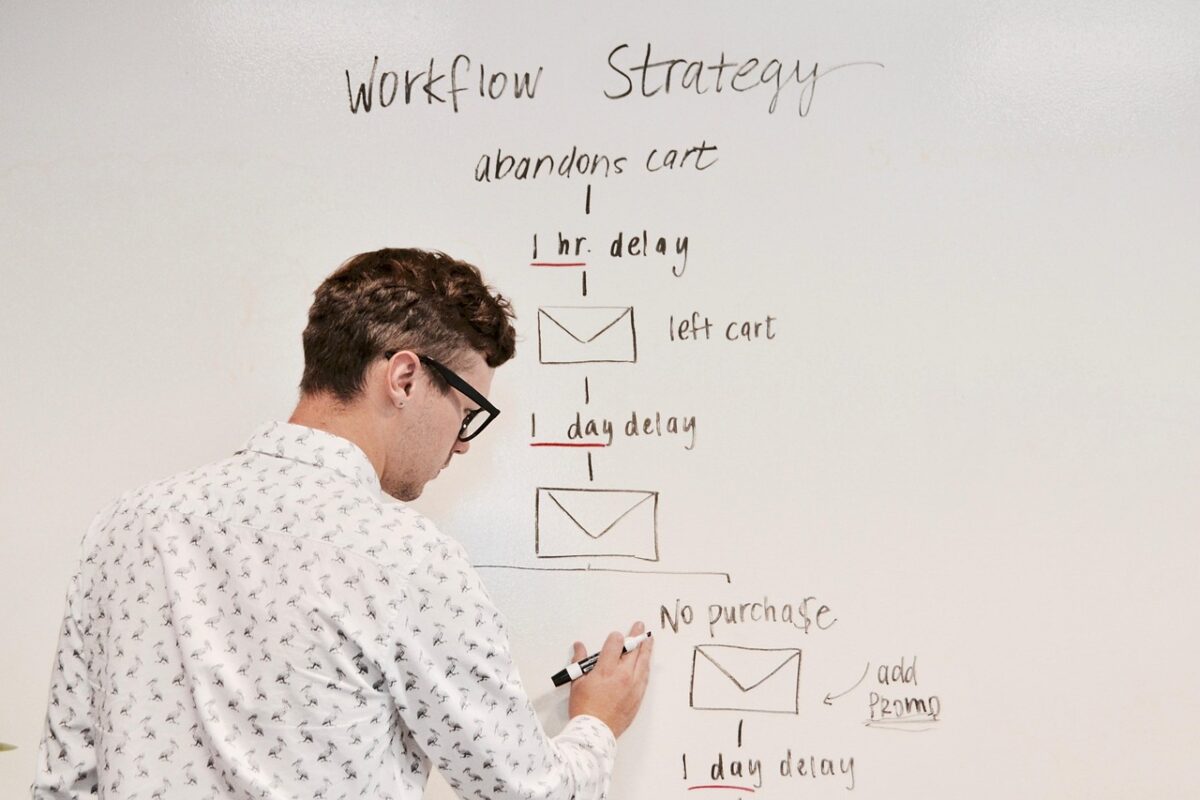
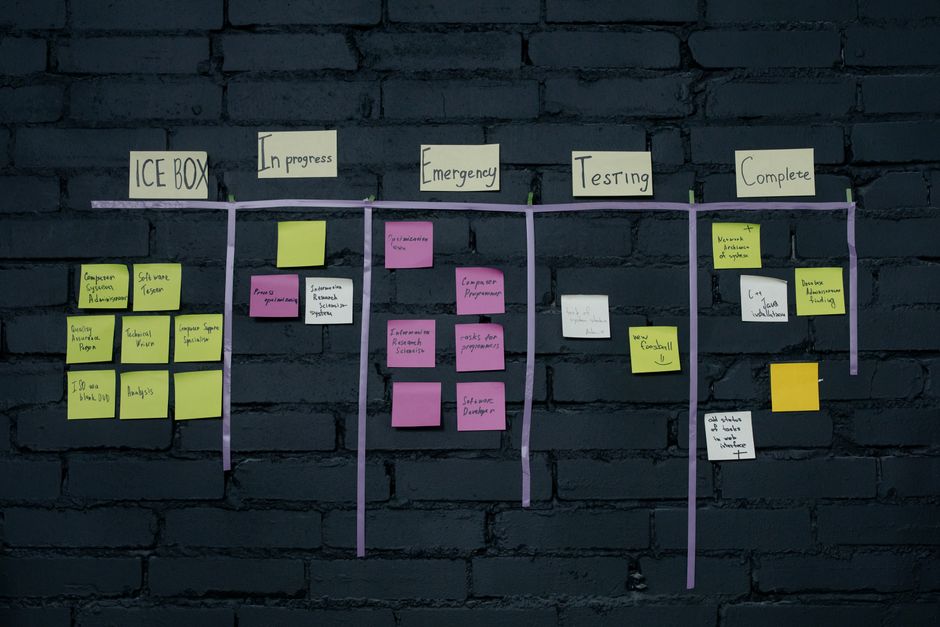
Beyond the technical side, the real shift is that S/4HANA expects sales operations to be system-led rather than workaround-led. Teams that have built habits around offline processes, manual corrections, or informal approval chains will need to rebuild those habits inside the system. That is a change management challenge as much as a technology one.


Quoting Impact: Why CPQ Becomes More Important During S/4HANA Transformation
One of the most significant and often underestimated effects of an S/4HANA transformation is the pressure it places on quoting processes. When the ERP backbone changes, any quoting activity that was loosely connected to the back office suddenly needs a stronger bridge. Companies that were managing quotes in spreadsheets or disconnected tools find that gap becomes impossible to ignore once S/4HANA is live.