



Blog
What Good SAP CPQ Discovery Looks Like Before Implementation


Every successful SAP CPQ project starts long before the first configuration is built. It begins with a thorough SAP CPQ discovery phase, the stage where business goals, quoting processes, product logic, and stakeholder priorities are examined in detail. This early work determines whether the eventual implementation reflects how your company actually sells, or whether it becomes a technically sound system that quietly misses the mark. For decision-makers weighing a CPQ investment, understanding what strong discovery looks like is one of the most practical ways to protect both budget and timeline.
Discovery is easy to underestimate. It produces no working software, no demos, and no visible progress that leadership can point to in a status meeting. Yet the choices made here shape configuration, integration, pricing logic, and user experience for years. A rushed or shallow discovery is the single most common reason CPQ projects overrun or underdeliver. This article breaks down what a strong discovery phase includes and why its quality quietly sets the ceiling for the entire project.
Why the SAP CPQ Discovery Phase Shapes the Entire Project
Discovery is where the blueprint for your quoting solution is created. Functionally, discovery is where the blueprint for your SAP CPQ system is created. It’s the phase where teams validate business requirements, determine how existing processes will map into SAP CPQ’s functionality, and identify potential gaps or customization needs. Decisions made during discovery affect system configuration, integration design, and user interface. In other words, almost every downstream decision traces back to what was understood, or misunderstood, at the start.
The risk of skipping this rigor is concrete. Without a thorough discovery, you risk building a solution that doesn’t align with how your business sells—or worse, implementing features you don’t need while overlooking critical capabilities. Discovery is also where a vague budget turns into a defensible one, since scope is what decides the size of the investment rather than the software itself. Both outcomes cost money: one through rework, the other through complexity nobody actually uses.
A strong discovery phase delivers several things at once:
- Clear agreement on why the project exists and what success means
- A documented view of how quotes move through the business today
- An honest inventory of product and pricing complexity
- Alignment among the people who will approve, use, and maintain the system
When these foundations are solid, the rest of the project accelerates. Many teams find that the effort spent understanding the true cost of manual quoting workflows during discovery clarifies exactly which problems the new system must solve first. That focus prevents scope from drifting and keeps the project anchored to measurable business value rather than a wish list of features.
What Strong SAP CPQ Requirements Gathering Actually Involves
Good SAP CPQ requirements gathering is not a form-filling exercise. It is a structured effort to uncover how the business really operates, including the informal habits and exceptions that rarely appear in official documentation. The best SAP professionals know that requirements are rarely handed over fully formed. More often, they’re carefully uncovered through conversation, clarified by constraint, and shaped by process. That is why experienced consultants ask probing questions rather than simply transcribing answers.

The most useful requirements sessions shift the conversation from features to outcomes. Instead of just cataloguing features, consultants can group requirements by business capability, such as procurement efficiency or workforce planning. This shifts the discussion from “what should the system do” to “what outcome are we aiming for.” For CPQ, that might mean faster quote turnaround, tighter margin control, or fewer approval bottlenecks.
Documenting the Current Quoting Reality
Before designing anything new, discovery captures the current state honestly. The requirements gathering phase is essentially an “as-is” exercise to understand the existing business process. This means collecting real examples rather than idealized descriptions. Several inputs consistently prove valuable:
- Real-world samples of current quotes and proposals that illustrate the level of complexity, branding, and customization required
- A list of existing quoting tools, such as spreadsheets, CRM quote modules, or homegrown systems, and how they are used
- A description of who approves discounts and how exceptions are handled today
Even where documentation is thin, this stage still produces value. Even if formal documentation is limited, verbal walkthroughs and anecdotal knowledge from key users provide valuable input during workshops. The goal is a truthful picture, not a polished one.
Preparing Before Discovery Begins
Preparation on the customer side dramatically improves the quality of requirements gathering. Teams that assemble product data, pricing rules, and sample quotes in advance spend less time answering repetitive questions and more time solving real problems. A few practical habits help enormously:
- Create reusable documentation by standardizing product and pricing models before discovery to reduce repeat questions
- Assign a single point of contact so a central project lead can streamline decisions and reduce meeting fatigue
- Pre-schedule workshops and reviews to protect focus time for key participants
Process Mapping and Product Logic Review in SAP CPQ Implementation Discovery
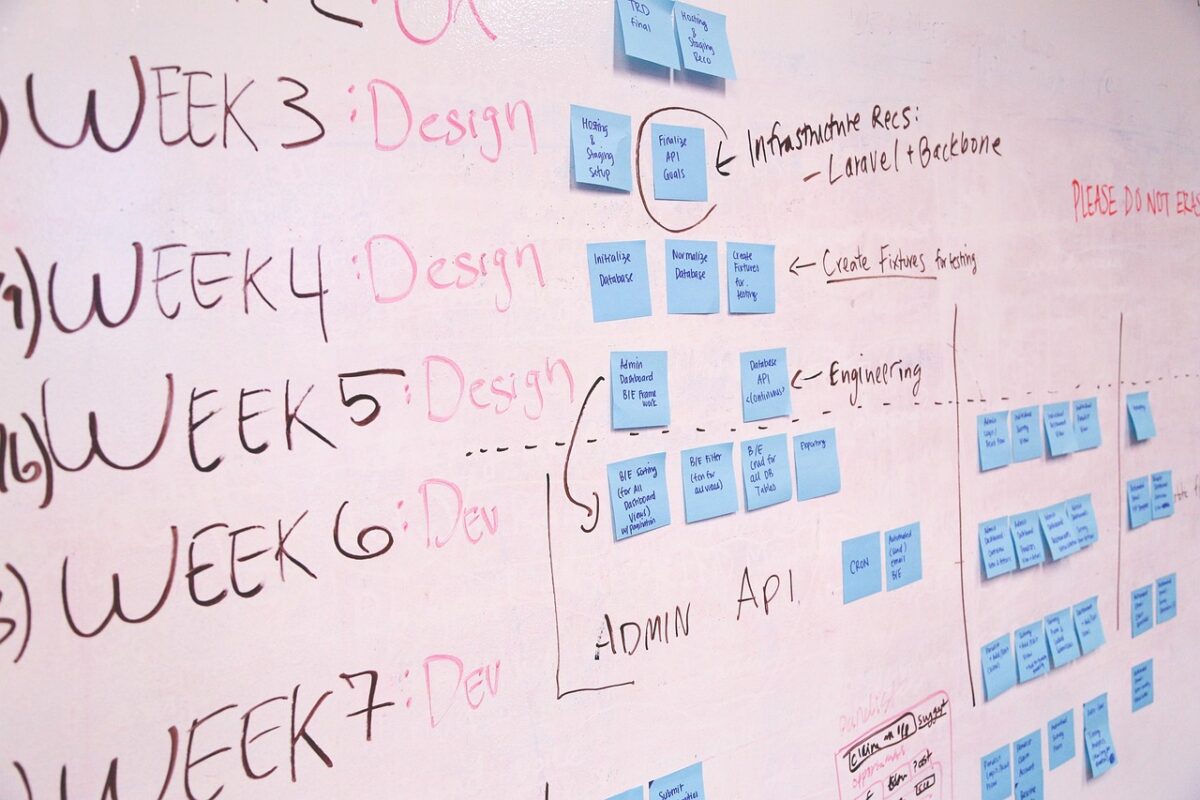
A core deliverable of any serious SAP CPQ implementation discovery is a clear map of how quotes actually flow through the organization. Process maps or flowcharts, showing how quotes move through your business, who generates them, who approves them, and how they convert to orders, are extremely helpful. These visuals expose bottlenecks and hand-offs that no one describes accurately from memory.
Product logic deserves equal attention. CPQ’s real power lies in modeling complex configurations, and discovery is where that complexity gets defined. Business-driven configuration maps are often visual flowcharts or decision trees that show how users build product bundles, select features, or apply upgrades and accessories. This logic determines which options are compatible, which features are required, and what rules should trigger warnings or errors. Getting this right early prevents painful rework later.
For companies running configurable products, discovery also clarifies how CPQ will relate to existing configuration engines. Understanding the distinctions covered in the differences between SAP AVC, LO-VC, and SAP CPQ helps leaders decide where product logic should live and how the pieces connect. Integrating SAP CPQ with Variant Configuration provides a cloud-based solution for simplifying and enhancing sales of complex configurable products, delivered through the SAP Variant Configuration and Pricing service.
Pricing logic is the other half of this review. Discovery should surface every discount rule, tier, and exception so the design can protect margin from day one. Teams that establish sound pricing rules that guard against margin leakage during discovery avoid one of the most expensive categories of post-go-live issues. Documenting these rules while the reasoning is fresh keeps the eventual configuration both accurate and maintainable.
Stakeholder Alignment and Integration Planning During Discovery
Requirements do not exist in a vacuum. Requirements are revealed through people. In SAP projects, people bring priorities, preferences, departmental politics, and varying levels of influence. That’s why understanding the stakeholder landscape matters more than having the smartest template. Strong discovery identifies not just the org chart but who actually drives decisions in practice.
Effective discovery depends on having the right people engaged at the right moments. A business owner acts as the internal decision-maker and provides sign-off on requirements, while subject matter experts help define product configuration rules, pricing logic, discounting processes, and quote workflows, validate that business requirements are accurately translated into the system, and are most active during discovery and UAT. Naming these roles early prevents decision gridlock later.

Integration is the other major discovery workstream, especially in SAP-centric environments. SAP CPQ must integrate with other enterprise systems, including SAP S/4HANA and SAP Commerce Cloud. The implementation team works to ensure that data flows smoothly between SAP CPQ and other tools, minimizing manual data entry and ensuring that sales teams have access to up-to-date information. Discovery is where that data flow is mapped rather than assumed.
These early conversations often surface deeper questions about data ownership. CPQ projects often expose larger data governance questions about who maintains what data, where it lives, and how often it updates. These discussions, while sometimes outside the project’s scope, are critical to long-term success. Reviewing a clear picture of typical SAP CPQ integration architecture helps stakeholders understand what is realistic before commitments are made. When the project connects to core ERP, it also pays to anticipate the friction points detailed in an ERP to S/4HANA transformation where sales processes often break, so discovery accounts for them in advance rather than discovering them at go-live.
How Discovery Quality Sets Up Long-Term SAP CPQ Success
The value of a strong discovery phase compounds over the life of the system. A well-prepared discovery enables faster decision-making, clearer solution design, and ultimately, better business outcomes. The opposite is equally true. Without sufficient preparation, discovery can become a cycle of rework and delays. Leadership feels this difference directly in timelines and cost.
Discovery should also look beyond go-live. The decisions made here influence how easily the system adapts as products, pricing, and teams change. Planning for a sustainable operating model, such as a CPQ Center of Excellence with defined roles and cadence, ensures the solution keeps delivering value rather than degrading over time. It also helps to define an environment strategy across development, test, and production early, so release management is a deliberate practice rather than an afterthought. Discovery is also the right moment to map the fixed dates that SAP has already set around your project, since several of them cannot be moved later.
Adoption is the final proof point. Even a well-designed system fails if the sales team resists it, which is why discovery should capture how people actually work and what would make their jobs easier. Thinking ahead about how to prepare your sales team for SAP CPQ adoption during discovery means the eventual rollout reflects real user needs. Understanding common post-go-live issues that internal admins encounter also lets you design around predictable pain points before they appear.
The through-line is simple: discovery is not paperwork, it is risk reduction. Every hour spent understanding your quoting reality, your product logic, and your stakeholders is an hour that pays back many times over in a smoother implementation and a system your teams trust. The companies that treat the SAP CPQ discovery phase as the foundation of the project, rather than a formality to rush through, consistently end up with quoting solutions that fit how they actually sell.